Why Barcelona Fell from Sextuple Champions to Today's State
Why Barcelona Fell from Sextuple Champions to Today's State
On June 18, 2008, at the Stadio Olimpico in Rome, Spain beat Germany 1-0 to win Euro 2008, and Barcelona players celebrated with the trophy. That same year Pep Guardiola took over Barcelona's first team and opened the Tiki-Taka era. From 2008 to 2015, in eight years, Barca won 8 La Liga titles, 4 Champions Leagues, 6 Copa del Reys, 4 Spanish Super Cups, 3 Club World Cups, and 5 UEFA Super Cups, totaling 30 trophies, an average of 3.75 per year. They were the most glorious eight years for any club in football history.
Fifteen years later, in the 2024-25 season, Barcelona's financial deficit exceeds 1 billion euros. They finished second in La Liga and exited the Champions League at the round of 16. The decline from sextuple winners to today took only a decade. The downhill path is layered with management blunders, financial crisis, coaching turnover, and academy gaps. Barca's story is a textbook case of how a modern club can slide from the summit.
The Details of the Sextuple Era
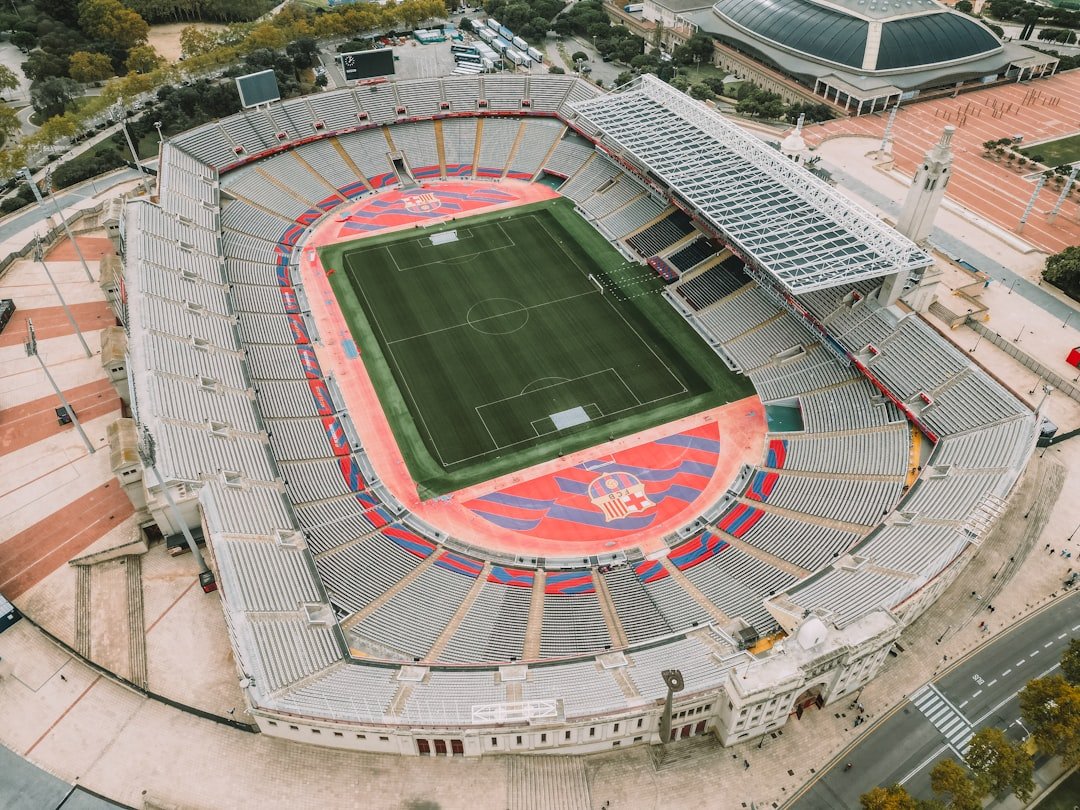
2009 was Barca's sextuple year. Guardiola led the team to La Liga, Copa del Rey, Champions League, Spanish Super Cup, UEFA Super Cup, and Club World Cup, all six trophies, the first single-year sextuple in football history. That year Messi won the Ballon d'Or, Xavi was second at the World Player ceremony, and Iniesta third. Barca produced three of the top three world players.
The squad featured Messi, Xavi, Iniesta, Busquets, Pique, Puyol, Alves, Abidal, Henry, Pedro, and Valdes, twelve world-class players. The average age was 25, peak years, and they could play any style against any opponent. Tiki-Taka left opponents trapped as if in an invisible net, unable to touch the ball let alone attack. A constellation of contemporary world-class players like this in one club is rare in football history.
The Hidden Cost of Neymar's Transfer

In June 2013 Barca signed Neymar with an official fee of 57 million euros. But a 2014 tax investigation found Barca actually paid 86 million euros, with an extra 29 million paid via tax-avoidance vehicles to Neymar's family. Barca president Sandro Rosell resigned over it.
This tax scandal was the start of Barca's decline. In June 2014 Barca was banned by FIFA from registering new players for two transfer windows for illegally signing minors. The ban caused Barca to miss key signing windows in 2014-15, sowing the seeds of an aging squad.
The 2017 Collapse After Neymar Left
In August 2017 Neymar moved to PSG for 222 million euros, the largest transfer in football history. The fee activated Neymar's release clause, and Barca could not block it. Neymar's exit ended the MSN trio of Messi, Suarez, and Neymar.
Barca used the Neymar money to sign Dembele (105 million euros), Coutinho (145 million), Malcom (41 million), and more. Each fell short of expectations. Dembele missed roughly 600 days over six years to injuries. Coutinho was loaned out within a year. Malcom was sold to Real Madrid after two. It was the most concentrated period of transfer failure, with about 500 million euros nearly all written off.
Consecutive Mistakes from 2017 to 2020
From 2017 to 2020 Barca signed eight players above 50 million euros, and every signing failed. Dembele at 105 million, Coutinho at 145 million, Griezmann at 120 million, Trincao at 31 million, Braithwaite at 75 million, plus other deals.
The core reason for serial failure was a broken decision-making structure. Barca is a member-owned club, with the president elected by members for four-year terms. Each president wants major silverware during his tenure, so they gamble on big-name signings. This short-termism trapped Barca in a financial pit, with every signing adding a heavy wage contract.
The Disaster of the Bartomeu Presidency
From 2014 to 2020 Josep Maria Bartomeu served as Barca president. Under his watch the club completed transfers for Neymar, Coutinho, Griezmann, and others, all failures. He also signed off on huge salary raises, lifting Barca's wage bill from 250 million euros in 2014 to 570 million in 2020.
In August 2020 Messi announced he wanted to leave but stayed because of contract issues. That was the start of the Messi-Barca rupture. Bartomeu resigned ahead of a recall vote in October 2020. He left Barca with about 1.3 billion euros in debt, one of the highest in football club history.
The 2021 Collapse with Messi's Departure
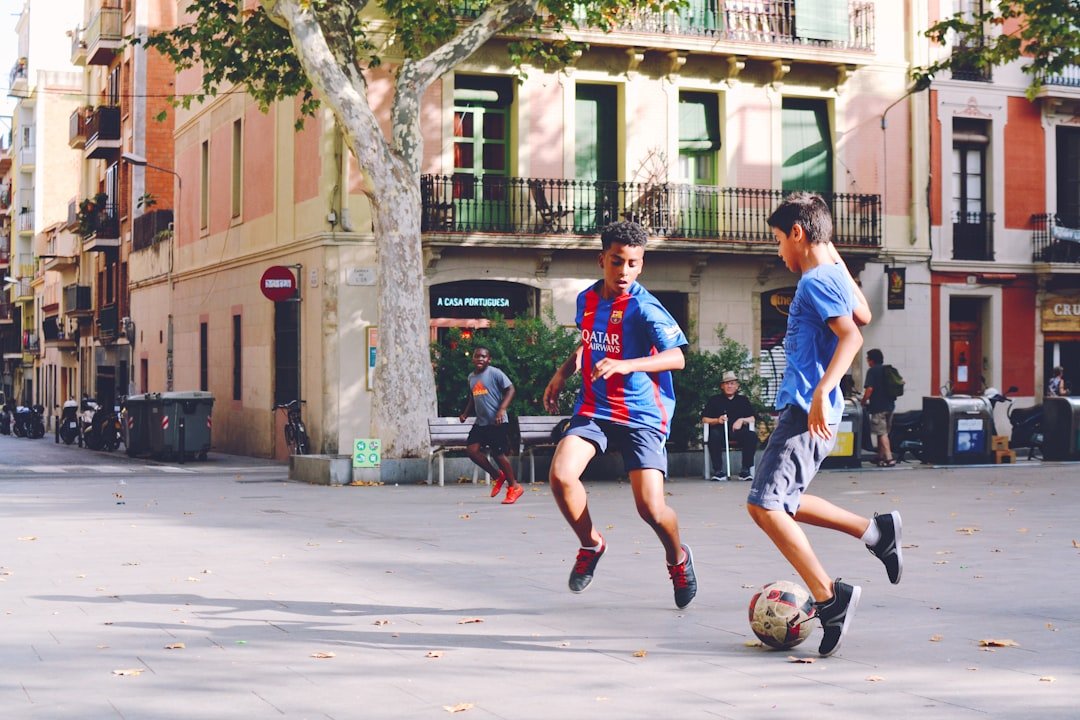
On August 8, 2021, Messi announced he was leaving Barcelona because La Liga's salary cap blocked a renewal. It was the most tragic moment in Barca history. Messi wept through his farewell press conference. He had spent 20 years at Barca, joining La Masia at 13 and leaving at 34.
Messi's departure cost Barca their core player, commercial value, and emotional anchor for fans. From 2021 to 2024 Barca's TV revenue dropped 30 percent, jersey sales dropped 50 percent, and membership fell 20 percent. Messi joined PSG then moved to Inter Miami in 2023. After his departure Barca took three years to partially recover, with financial problems still unsolved today.
Laporta's Rebuild
In March 2021 Joan Laporta was reelected Barca president. His first term, 2003 to 2010, had coincided with the rise of the seven-trophy Barca. Laporta inherited about 1.3 billion in debt and roughly 500 million in annual operating losses.
Laporta's strategy was to monetize club assets, future TV rights, stadium naming rights, and future transfer income. By selling future revenue rights he raised about 1 billion euros to ease short-term cash flow. But this approach only defers the crisis; it is unsustainable long term. By 2024 Barca had monetized nearly all liquidable assets for the next 15 years, leaving virtually no future cash-flow runway.
The Coaching Dilemma of Xavi and Flick
From 2021 to 2024 Xavi managed Barca. As a Barca legend turned coach he should have been the perfect choice. But over three years he won only one La Liga title and two Spanish Super Cups, with a best Champions League finish of the quarterfinals in 2024. These results fell well below Barca's historical standards.
In June 2024 Hansi Flick took over from Xavi. The German coach had won a treble with Bayern. Under Flick, Barca looked sharp in the first half of 2024-25 but crashed in the second half due to injuries. The volatility reflects a deeper issue of squad depth that no coach alone can fix.
The Real Crisis of the Academy Gap
Barcelona's core competitive edge has long been La Masia. The 2008-15 glory was built on La Masia products like Xavi, Iniesta, Busquets, Pique, Alba, Pedro, Sergi, and Valdes. But from 2015 to 2020 the La Masia pipeline of stars dried up dramatically.
La Masia players from that era like Sergi Roberto, Canales, Halilovic, and Carvajal (sold to Real Madrid) never became world-class. Only from 2023 did a new generation, with Yamal, Lamine, Cubarsi, and Gavi, begin to rise. This decade-long academy gap is the deeper reason for Barca's decline, harder to fix than the financial problem alone.
Hope from the Next Generation
In 2023 and 2024 Barca's new generation began to show their quality. The 17-year-old Yamal became the youngest Kopa Trophy winner. The 22-year-old Gavi is already a midfield starter. The 19-year-old Cubarsi is a defensive core. This generation gives Barca hope of returning to the top.
But hope and reality are still apart. The new generation needs time to mature into world-class players, and Barca's financial crisis and lack of depth force too much pressure on them. The 2026-2030 stretch is the key window for whether Barca can revive. If this generation can mature like the Xavi-Iniesta one, Barca could return to the European elite. If not, Barca could slip permanently to second-tier La Liga status, exiting the Champions League contention level.
Lessons from Barca's Decline

Barcelona's decline is a textbook case in modern football club mismanagement. Short-term transfers, overdependence on stars, academy gaps, fragile financial structure, and chaotic decision-making, every one of them dragged a top club into the mud. These problems are not unique to Barca. Real Madrid, Manchester United, and AC Milan have all been through similar slumps.
Barca's story tells every club one thing. Glory does not naturally extend itself. You must invest continuously in the academy, control wages, and maintain rational decisions to stay competitive. Barca's current state could last 5 to 10 years before a genuine revival or a permanent slide. The bet on Barca's future has no answer yet.
📝 本文来自抖文 www.douwen.me ,转载请保留出处。
原文链接:https://www.douwen.me/archives/909/
💬 评论 (0)
还没有评论,来说两句吧 ✍️