How to choose AI fitness coaching app, 2026 scientific exercise at home test recommendations
How to choose AI fitness coaching app, 2026 scientific exercise at home test recommendations
In the past, if you wanted to get serious about fitness, you either had to pay for a personal trainer or you could figure it out by yourself in front of online videos. No one was watching whether your movements were correct, and you had no idea whether the plan was reasonable or not. The situation has changed in the past two years. More and more fitness and health management applications have added AI capabilities, from making plans and identifying actions to recording diet and tracking sleep, covering almost every aspect of daily health management. What this article wants to do is very simple. It is to sort out several tools in the current public information that have relatively stable reputations and relatively practical capabilities. By the way, we will talk about what dimensions should be considered when selecting tools, and a premise that must be emphasized repeatedly. No matter how smart the advice given by AI is, it cannot replace a real doctor.
How can AI help in fitness and health management?
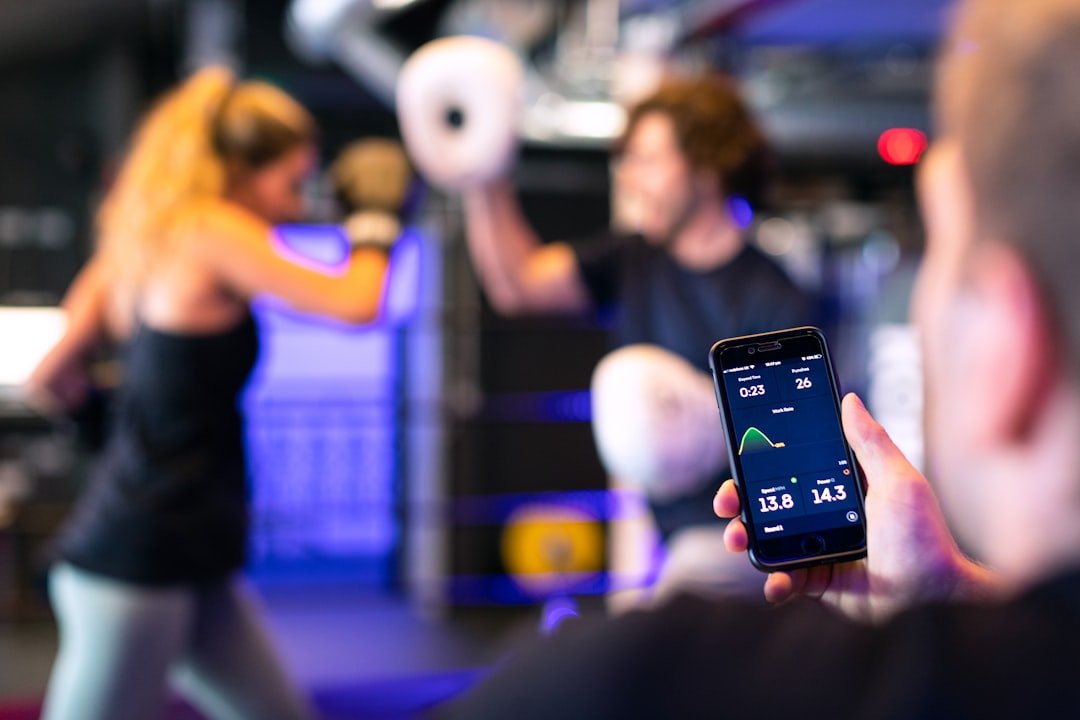
Many people’s first reaction to AI fitness is that it is a gimmick, and they think it is just a rewording of the original function. In fact, if you take it apart, the changes brought about by AI are still concrete. The most basic level is personalization. In the past, most fitness apps provided a general template, and everyone practiced the same set. After the introduction of algorithms, the tool will generate a relatively suitable plan based on your height and weight, exercise basics, available time and goals, and make adjustments after you complete or skip certain trainings. The second layer is feedback. With the help of mobile phone cameras or wearable devices, some tools can make rough judgments on movement postures and remind you whether there is a slump in your squats or whether there are any problems with your running posture. The third level is integration, which puts together the originally scattered data of exercise, diet, sleep, and heart rate to give a more complete health picture. What needs to be clearly understood is that the accuracy of these capabilities is still limited by the equipment and the algorithm itself. It is good at discovering trends and providing references, but it is not good at drawing deterministic conclusions.
When choosing AI fitness tools, first look at these dimensions:
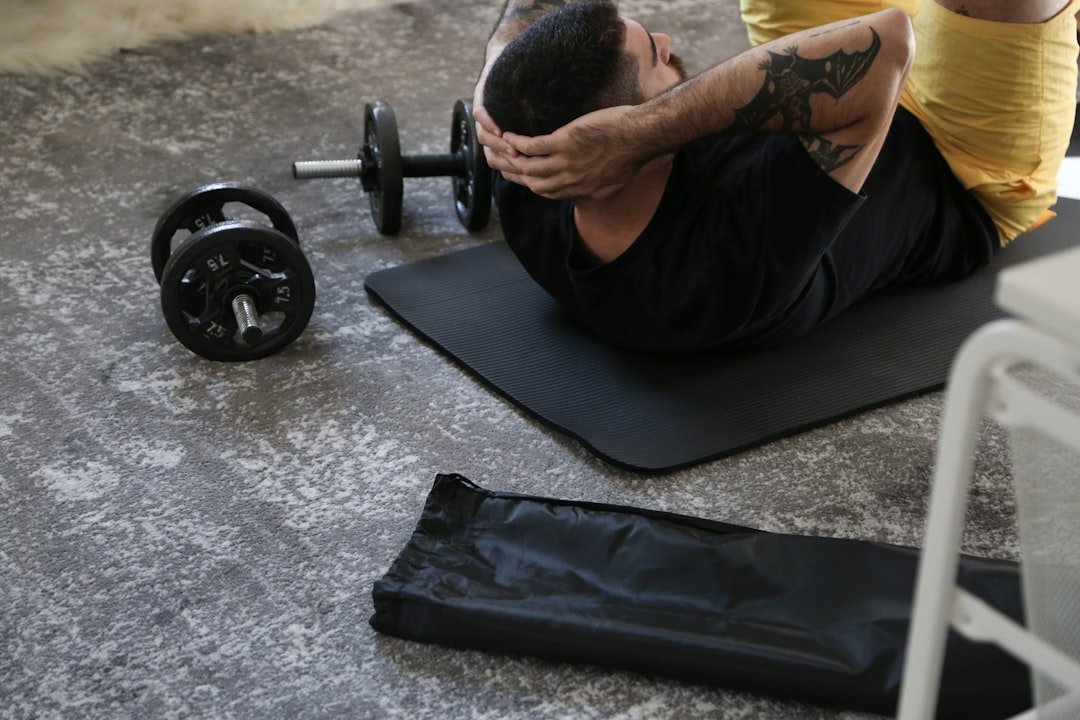
Before choosing a tool, it’s best to think clearly about what you really need, otherwise it’s easy to get distracted by the feature list on the promotional page. The first dimension is the ability to customize the plan, to see whether the training schedule it generates really takes your foundation and goals into consideration, or is it a fixed routine that is changed without changing the medicine. The second dimension is motion recognition and correction. This technical threshold is high, and there are not many tools that can do it. Moreover, the effect is related to your shooting environment, light, and camera position, so expectations should not be too high. The third dimension is diet and nutrition records, which mainly depends on whether the food library covers Chinese meals and whether entry is hassle-free. The fourth dimension is data tracking and visualization. Whether long-term data can be organized into understandable trend charts is more meaningful than single-day numbers. Finally, you also need to look at the privacy policy. After all, health data is highly sensitive. How the tool is stored, whether it is uploaded to the cloud, and whether it can be exported and deleted, all should be clearly understood before downloading. By prioritizing these dimensions, the selection will not be blind.
Fitness plan category, Keep and Nike Training Club
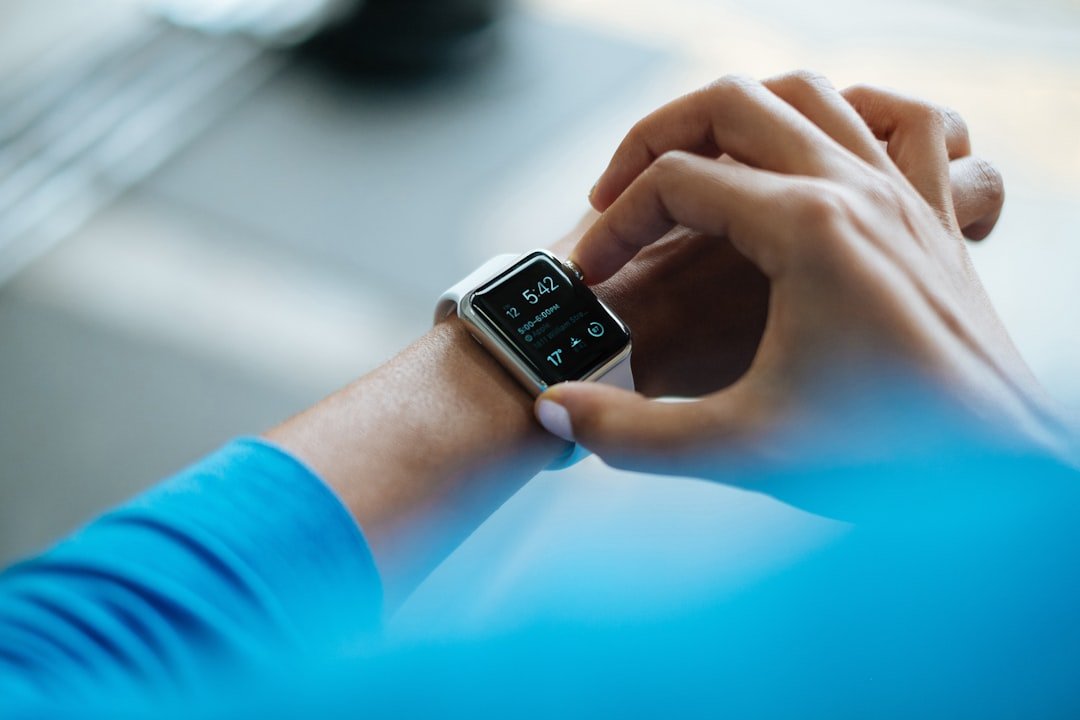
Among fitness planning tools with a large user base in China, Keep is an inescapable one. According to public information, it provides a large number of divided courses, covering everything from basic to advanced, and will recommend corresponding training plans based on the goals and data filled in by users. The community atmosphere is also relatively active, which is suitable for people who need a sense of companionship and motivation to check in. In the overseas camp, Nike Training Club has a long-term reputation and a stable reputation. It provides a large number of free professional training courses, which are clearly classified according to goals and difficulty, and recorded and explained by professional coaches. It is suitable for users who like to follow training videos and have requirements for action explanations. What these two have in common is that people's professional experience is made into structured content, and then algorithms are used to help you filter matches. This essentially amplifies the accessibility of high-quality content. In terms of price, the free content is enough to get you started. For more advanced membership rights, please refer to the official public page. It is recommended to experience the free part first before deciding whether to pay.
Action recognition class, real expectations for posture correction
Movement correction is the most technical and most easily exaggerated aspect of AI fitness. There are indeed some applications on the market that try to use mobile phone cameras for real-time posture recognition, by capturing key points of the body to determine whether the movements are standard, and then use voice or pictures to prompt you to adjust. Judging from public demonstrations, this type of function performs well in scenes with large movements, clean backgrounds, and suitable camera positions, such as relatively obvious judgments such as the depth of a squat and whether a plank is collapsed. However, a basin of cold water should be poured on it. Its judgment of subtle force and joint angles is still limited, and it is easy to misjudge when encountering complex equipment movements or poor shooting conditions. My suggestion is to treat it as a partner who will occasionally remind you, rather than a precise personal trainer. If you really want to practice heavy weight or have a history of injury, you should still find an offline professional to check on-site. Safety always takes precedence over convenience.
Diet and Nutrition, Mint Health and MyFitnessPal
It is often harder to keep your mouth shut than to move your legs, and the value of food recording tools lies in turning the abstract amount of food eaten into quantifiable numbers. Among domestic users, Mint Health has a relatively complete Chinese food library according to public information. You can scan the QR code or search to enter the approximate calories and nutritional composition of common foods, which is less burdensome for people who are accustomed to Chinese food. The overseas MyFitnessPal food database has a large scale and mature barcode scanning and meal recording functions. It is suitable for people who have a Western-style diet or often eat packaged foods. After the introduction of AI into such tools, part of the capabilities are reflected in more intelligent food identification and nutritional recommendations. However, it should be noted that food calories themselves are estimates, and home-cooked food portions are difficult to be accurate. The significance of recording is more to establish awareness of diet rather than to pursue absolutely accurate calorie numbers. When setting nutritional goals, especially when you have special health conditions, you should seek the advice of a professional nutritionist or doctor.
Sleep management category, including rest into the health closed loop
There is an old saying in the fitness circle that practicing well is not as good as sleeping well. Muscle repair and body recovery largely occur during sleep. Sleep management tools usually use mobile phone microphones, accelerometers or wearable devices to record sleep duration and approximate sleep stages. Common ones include specialized sleep recording applications, as well as the built-in sleep monitoring functions of Apple Watch and various bracelets and watches. They can provide reference data such as the time it takes to fall asleep, the number of times you wake up at night, and sleep regularity to help you find long-term work and rest problems. To be clear, there is a gap between the sleep staging judgment of consumer-grade devices and medical-grade polysomnography. It can reflect trends, but it cannot be used to diagnose diseases such as sleep apnea. If you have long-term trouble sleeping, daytime sleepiness, or severe snoring, these data can be used as reference material when seeking medical treatment, but the real diagnosis must be left to a sleep specialist. The role of the tool is to remind you, not to conclude.
Data tracking and integration make long-term changes visible
Just looking at the number of steps or weight on a given day is of little significance. The real value of health management lies in the long-term trends. This type of capability is often not an independent app, but integrated into the aforementioned tools or system-level health platforms. For example, the health apps that come with mobile phones usually aggregate exercise, heart rate, sleep, weight and other data into one place to form a unified timeline. The role of AI here is to extract readable trends and reminders from large amounts of data, such as whether the amount of exercise in the past month has declined and whether there are abnormal fluctuations in resting heart rate. The advantage of this integration is that it reduces the trouble of switching back and forth between multiple applications, and also makes it easier for you to see the results of your persistence. However, the more concentrated the data, the more privacy risks you need to be vigilant about. Before authorizing a third-party application to read health data, you must think clearly about what it will do with the data, and whether you can revoke the authorization and delete the records at any time.
Choose a model based on your goals, whether it’s fat loss, muscle gain, or health maintenance
There is no best tool, only the most suitable one. The key depends on your goals. If the goal is to lose fat, the focus should be on diet records and aerobic training. Diet tools such as Mint Health or MyFitnessPal combined with a planning app with aerobic courses will be more suitable. After all, 70% of fat loss depends on food. If the goal is to gain muscle, then a structured strength training plan and movement quality are more important. You can choose a planning tool with a complete course system, supplemented by a movement recognition function to help you pay attention to basic postures, while ensuring protein intake and adequate sleep. If you prefer health preservation and health maintenance and do not pursue drastic body changes, then it will be easier to focus on sleep management and daily activity tracking, making regular work and rest and moderate exercise a habit. No matter what the goal is, it is recommended to start with one or two tools to develop a habit first, and then consider adding more functions. If there are too many tools, it will be easy to give up halfway.
Important reminder: AI recommendations can never replace doctors
This paragraph must be said seriously. All the tools introduced earlier, no matter how smart their functions are, are essentially auxiliary references and do not qualify for medical diagnosis. The calorie estimates, sleep staging, and heart rate prompts they provide are all based on consumer-grade equipment and general algorithms, and errors are normal. If you have cardiovascular disease, diabetes, joint injuries, or other chronic health conditions, consult a doctor or professional before starting any new exercise or diet plan so that the plan is based on your true physical condition. If you experience chest pain, severe dizziness, unusual shortness of breath, etc. during exercise, you should stop immediately and seek medical treatment in time. Don’t take it lightly just because the app says everything is normal. In addition, I once again emphasize the privacy of health data. This information is highly private. When downloading the tool, read the privacy terms carefully, pay attention to whether the data is uploaded to the cloud, and whether it can be exported and deleted. Take the initiative in your own hands. AI can lower the threshold for scientific exercise, but the ultimate responsibility for protecting your health is always in the hands of you and your doctor.
FAQ
Is the action recognition of AI fitness tools accurate?
According to public information, current posture recognition performs well when the movement range is large, the background is clean, and the camera position is appropriate. It can alert some obvious posture problems, but the judgment of subtle force and joint angles is still limited, and complex instrument movements are easy to misjudge. It is recommended to use it as an auxiliary reminder. Training with heavy load or injury history should still be checked by offline professionals on site.
Can the heat data recorded by these tools be trusted?
Food calories themselves are estimates, and home-cooked portion sizes are difficult to be precise, so the recorded numbers are often off. Its main value is to help you establish awareness and long-term trends in diet, rather than pursuing absolute accuracy. If you have a special health condition that requires strict nutrition control, you should seek advice from a professional nutritionist or doctor.
Is there any charge for AI fitness tools?
Most mainstream tools provide free basic content, which is enough for getting started, and more advanced courses or membership benefits usually require payment. Since the price will be adjusted, the specific charging standards are subject to the official public pages of each company. It is recommended to try the free part first and confirm that it is suitable for you before considering paying.
Will using these apps leak my health data?
Health data is highly sensitive, and privacy policies vary widely between tools. Before downloading, you should carefully read the privacy terms and pay attention to whether the data is uploaded to the cloud, whether it is shared with third parties, and whether it can be exported and deleted at any time. Before authorizing any app to read health data, think clearly about its purpose and confirm that the authorization can be revoked.
Can health advice given by AI replace seeing a doctor?
cannot. All such tools are not qualified for medical diagnosis and provide references based on general algorithms. If you have chronic diseases or injuries, you should consult a doctor before starting a new exercise and diet plan; if you experience chest pain, severe dizziness, etc. during exercise, you should stop immediately and seek medical treatment. AI is an assistant, and professional diagnosis must be left to doctors.
Health is never something that one tool can solve once and for all. What AI can do is make the originally fuzzy body signals visible and lower the threshold for scientific exercise little by little. But what really benefits people is the self who is willing to open his legs, keep his mouth shut, and go to bed on time day after day. Tools will iterate and popularity will change. Only by developing a habit of awareness and reverence for the body is the underlying logic that will not become outdated no matter how the technology changes.
📝 本文来自抖文 www.douwen.me ,转载请保留出处。
原文链接:https://www.douwen.me/archives/1364/
💬 评论 (6)
Great resource.
Clear and to the point.
Step-by-step is gold.
Loved the FAQ section.
Easy to follow.
Solid breakdown, very useful.