Quick check of the 2026 World Cup schedule, an overview of all the top 32 group stage matches
2026 World Cup Schedule Quick Reference: A Look at All Group-Stage Match Times for the 32 Teams
The 2026 World Cup is co-hosted by the United States, Canada, and Mexico. This is the first time in World Cup history that three nations have jointly hosted, with venues spread across more than a dozen cities in North America. As the opening draws closer, more and more people are paying attention to the group-stage schedule, viewing times, and broadcast channels. From the angles of format changes, key matches, Beijing-time conversion, and viewing channels, this article helps you get a handle on the viewing rhythm of this World Cup in advance.
Overall Format Changes for the 2026 World Cup

The biggest change for this World Cup is that the number of participating teams has expanded from 32 to 48, and the group-stage grouping method has been adjusted accordingly. The past structure of 8 groups of 4 teams each has changed to a new format structure, with the specific number of teams per group and advancement rules subject to FIFA's official announcement. This means the number of group-stage matches has increased substantially, with a longer viewing window than previous editions.
The tournament runs from the North American summer and lasts more than a month. The final is set at a large stadium within the United States. The opening and closing ceremonies are held in different cities, making this the most spread-out World Cup of all editions.
The Key to Beijing-Time Conversion
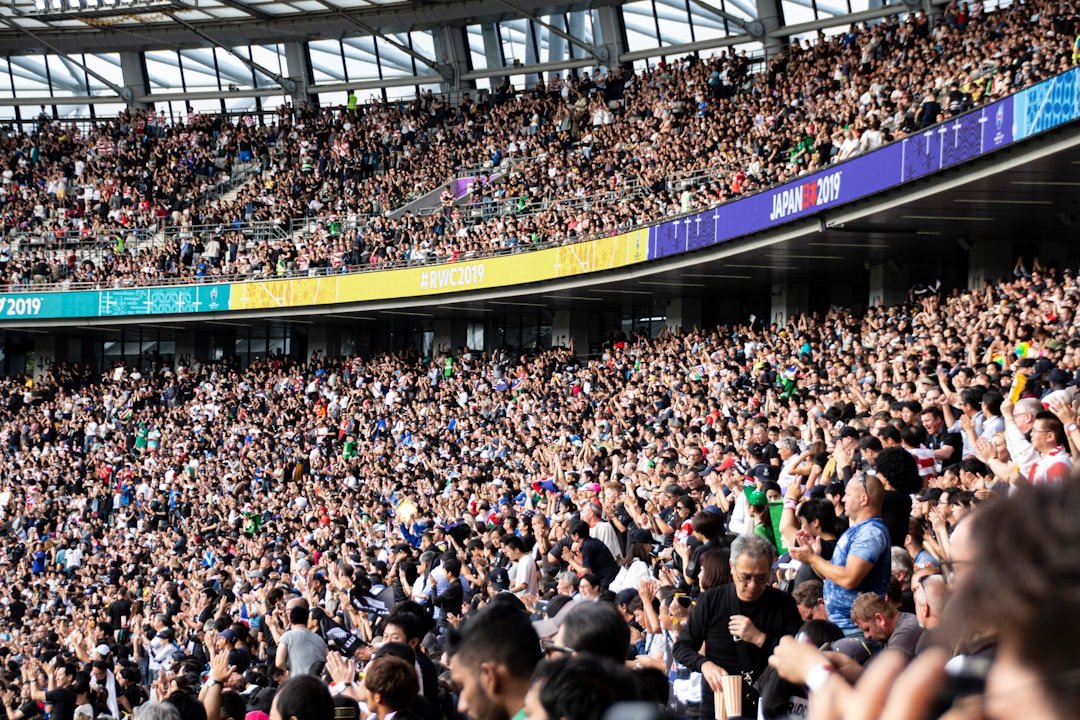
For Chinese fans, the North American time difference is the biggest pain point. The east coast, around New York and Washington, is 12 to 13 hours ahead of Beijing time, and the west coast, Los Angeles, is 15 to 16 hours ahead, with the exact figures depending on daylight saving time adjustments. This means most matches will take place in the early morning or forenoon Beijing time, with night owls and early risers each having their own viewing slots.
For example, a match kicking off at 8 PM North American Eastern Time is 8 AM or 9 AM the next day in Beijing time, right at the commuting hour for most people in China. If you want to watch a key match, planning leave or a shift swap in advance is necessary.
West coast matches are better suited to early risers; a kickoff at 6 PM North American Western Time converts to roughly 9 AM to 10 AM the next day in Beijing time, and catching one on a weekend lets you watch comfortably at home.
Viewing Strategy for the Group Stage
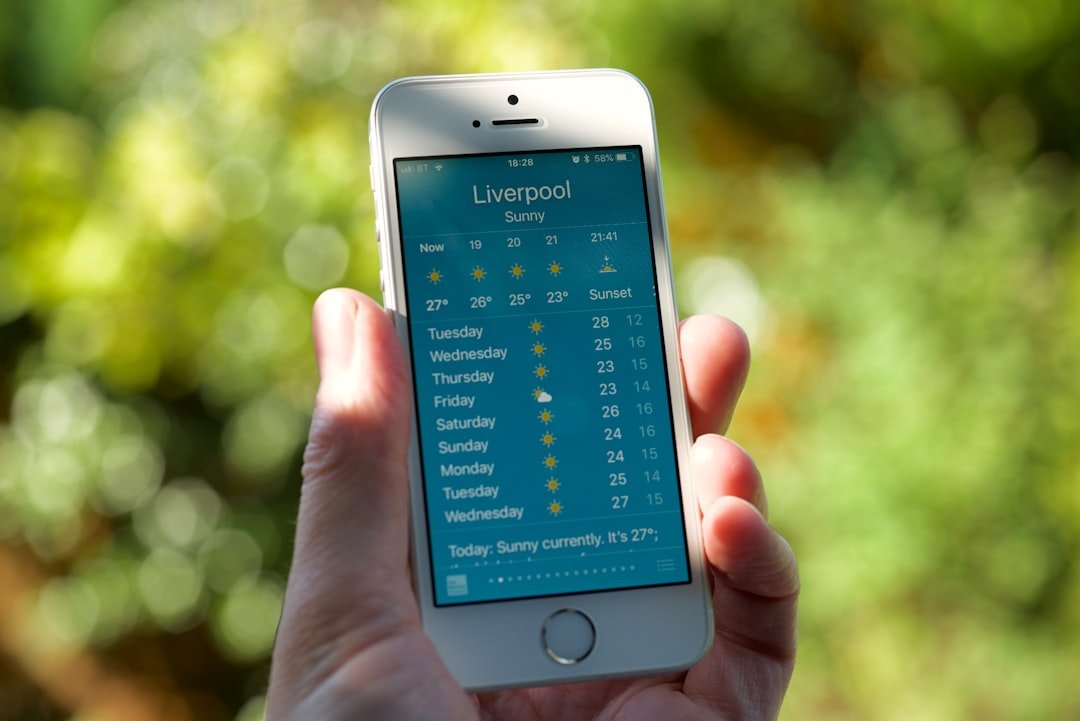
The group stage has dense matches, with multiple games almost every day. If you only want to watch the key matches, there are a few selection ideas. The first is to watch the previous edition's finalists and traditional powerhouses; the group-stage matches of Brazil, Argentina, France, Germany, England, and Spain are basically all focal points. The second is to watch the team of the specific player you support; every match of top stars like Messi, Mbappé, and Bellingham is worth following.
The third idea is to watch the do-or-die matches of the final group-stage round; by the third round the advancement picture is clear, and several teams will stage must-win showdowns, usually far more intense than the first two rounds. The fourth is to watch the host teams; the home-crowd atmosphere of the three host teams, the United States, Canada, and Mexico, will be very fervent, and even if their strength isn't top-tier, the spectacle is worth it.
Key Nodes of the Knockout Stage
After entering the knockout stage, the match frequency decreases, but every match is lose-and-go-home, raising the excitement across the board. The round of 32, round of 16, quarterfinals, semifinals, third-place playoff, and final, all the way through, is precisely the most climactic few weeks of the World Cup.
By past patterns, powerhouse showdowns increase markedly after the round of 16, and the semifinals and final are usually arranged at large stadiums, with tickets extremely hard to get. If you plan to fly to North America to watch in person, paying attention to FIFA's ticket sales page a year in advance is your only shot at grabbing tickets for the key matches. The final venue and exact time are subject to the official public page.
Viewing Channels for Chinese Fans
The mainstream domestic channel for watching the 2026 World Cup is CCTV's full live broadcast. CCTV sports channels CCTV5 and CCTV5+ are the traditional main battlefields for the World Cup, with most matches having live broadcasts or highlights. The CCTV Video app and the CCTV Sports app are the official entry points on mobile, with stable, lag-free signals.
On the internet-platform side, the broadcast rights and distribution situation for this World Cup are subject to official announcements. In past editions, Migu Video, Douyin, and Tencent Sports have all participated in broadcasting or highlight publishing in various forms, and the specific platforms for this edition need to be watched for in official announcements before the opening.
If you're overseas, you can consider local sports channels and channels like ESPN and Fox Sports, which usually provide broadcasts of all matches including the group stage.
Introduction to the Main Stadiums of the Three North American Host Nations
This World Cup spans the three countries of the United States, Canada, and Mexico, with widely distributed venues. Within the United States, cities including the New York metropolitan area, Los Angeles, Dallas, Miami, Boston, Atlanta, Philadelphia, Kansas City, Houston, Seattle, and San Francisco all have participating stadiums.
Canada mainly uses stadiums in the two cities of Toronto and Vancouver, while Mexico activates venues in three places: the Estadio Azteca in Mexico City, Guadalajara, and Monterrey. The Estadio Azteca in Mexico City is the only stadium in World Cup history to host a final or opening match three times, with important matches in 1970, 1986, and this edition, which is its special status.
Each stadium's capacity, altitude, and weather all affect the course of matches. The high-altitude Mexico City makes players burn through stamina faster, the summers in Dallas and Miami are scorching hot, and Vancouver, Canada, is relatively cool, suiting long-running teams.
Schedule Download and Reminder Setup
To avoid missing matches you want to watch, importing the schedule into your calendar in advance is a practical approach. FIFA's official site provides the schedule file in ICS format, which you can import with one tap into tools like Apple Calendar, Google Calendar, and Outlook, automatically displaying kickoff times in your time zone.
Domestic sports apps like Dongqiudi, PP Sports, and Sina Sports usually offer schedule subscription and kickoff reminders; set up the team you support, and you'll get a push notification before key matches kick off to avoid missing them.
If you're worried about missing player performances, the relevant topics on the X platform and Weibo will flood the feeds during each match, and even without watching live, you can quickly catch the full match's highlights afterward.
The Reference Value of Reviewing Past World Cups
To more deeply enjoy this World Cup, reviewing classic battles of past World Cups in advance is a good habit. Maradona's edition in 1986, the 2002 China-Japan-Korea World Cup, the edition where Germany won in 2014, and the edition where Argentina won in 2022 all have plenty of brilliant footage to watch; these classic matches give you a more intuitive understanding of team styles and player characteristics.
Past World Cup documentaries can be found on Bilibili, YouTube, and Netflix, some produced officially by FIFA, others retrospective programs made by various countries' broadcasters. Watch two or three authoritative documentaries, and after the World Cup kicks off you'll feel a deeper connection to every name on the pitch.
Frequently Asked Questions (FAQ)
When does the 2026 World Cup start
The 2026 World Cup is co-hosted by the United States, Canada, and Mexico, with the opening time in the North American summer of 2026, and the specific opening date subject to FIFA's official announcement. The tournament will last more than a month, with the final usually arranged for a Sunday in the later part of the schedule.
Has the Chinese team qualified for the 2026 World Cup
Whether the Chinese national team can enter this World Cup depends on the final results of the Asian qualifiers. The number of Asian slots for this edition has increased over previous editions, but the specific qualifying teams are subject to the official public page. Even if it doesn't enter the main tournament, Chinese fans can still watch the full event through CCTV and major platforms.
Are there free channels to watch the World Cup domestically
The CCTV sports channel is a free traditional TV channel domestically; as long as you have a TV and digital-TV service, you can watch. The CCTV Video and CCTV Sports apps provide free online live broadcasts, which is the main choice for most domestic fans. Whether internet platforms broadcast for free is subject to each company's announcements.
Do I need a membership to watch the World Cup
If watching through CCTV channels, you basically don't need a paid membership. If watching through platforms like Migu, Tencent, or Douyin, some key matches may require a membership or a paid viewing purchase, subject to each platform's policy. Free-viewers can focus on CCTV's broadcast schedule.
What to do if the time difference is too big to watch live
If the time difference makes it impossible for you to watch live, you can choose to watch highlights and replays. Platforms like CCTV Video, Dongqiudi, and Sina Sports usually release the match's highlight version within a few hours of the match ending, with lengths ranging from a few minutes to half an hour. The full replay of important matches is usually also online within 24 hours, suitable for office workers to catch up the next day.
📝 本文来自抖文 www.douwen.me ,转载请保留出处。
原文链接:https://www.douwen.me/archives/1257/
💬 评论 (6)
Great resource.
Best summary I've read on this.
Stats really back it up.
Bookmarked for reference.
Loved the FAQ section.
Thanks for the detailed comparison.