AI Wenshengtu Tool Hengping, 2026 Free and easy-to-use Chinese AI painting software 7 choices
The 2026 World Cup is the largest edition since FIFA's inaugural tournament, with the field expanded from 32 teams to 48, the number of groups increased from 8 to 12, and the format restructured accordingly. The most direct change compared with recent editions is the addition of a round of 32 knockout stage, which the top two from each group plus the 8 best third-placed teams enter together, raising both the schedule's complexity and the unpredictability noticeably. Around the expansion rules, what fans discuss most is how the advancement mechanism works, how tiebreak rankings are calculated, and how the knockout matchups are generated. This article doesn't predict the fate of specific teams; instead it systematically explains the already-published format rules, from group draws, point calculation, and tiebreak ranking all the way to the logic of generating knockout matchups, so that when the tournament truly begins you can read the format meaning behind every win and loss.
1. Why the 2026 World Cup Expanded to 48 Teams
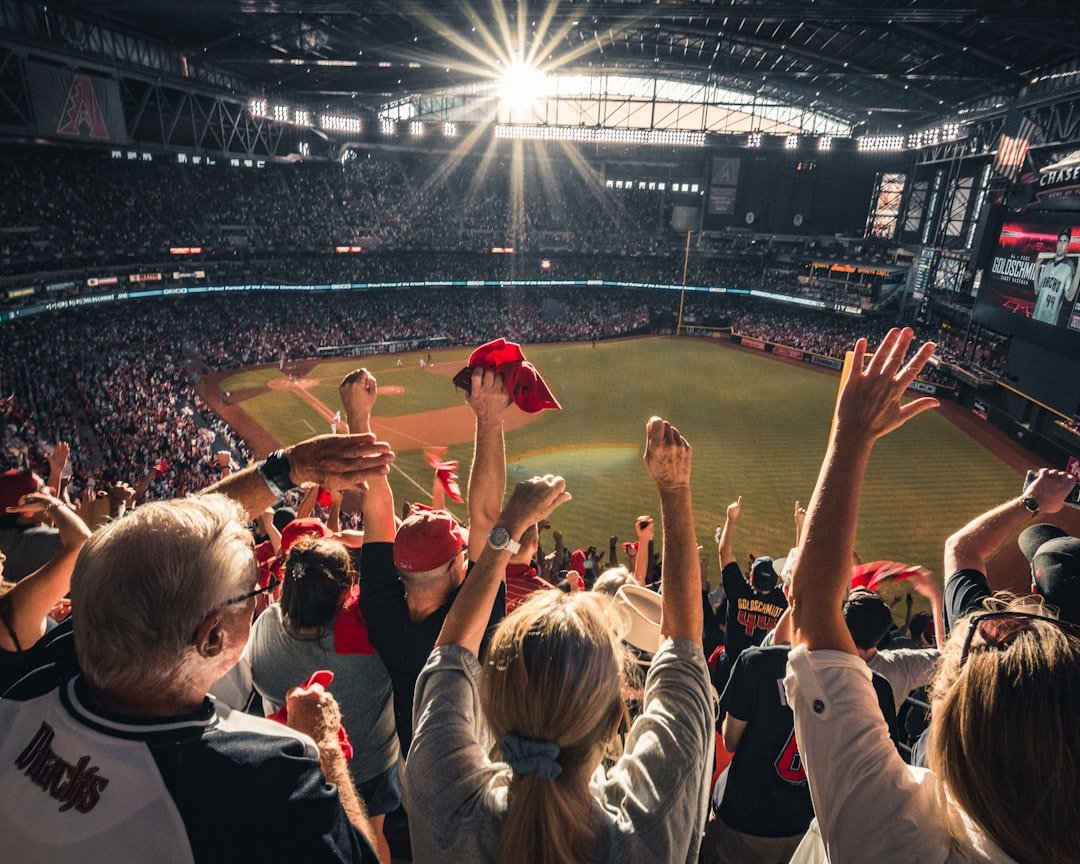
The World Cup's expansion to 48 teams wasn't a snap decision. The 1930 inaugural edition had only 13 teams, expanded to 24 in 1982, and the 1998 France World Cup first adopted the 32-team format, a number that continued through the 2022 Qatar World Cup.
The 32-team format is concise but slots are scarce, and Asia, Africa, North and Central America, and Oceania have long felt their allocations were too small. FIFA formally passed the 48-team expansion plan in 2017, with the goal of giving more associations' teams a chance to play in the finals while raising commercial value. The side effect is more matches and a longer schedule, which leads to the special arrangement of 12 groups plus best third-placed teams.
2. The Draw Rules for 12 Groups of 4 Teams Each
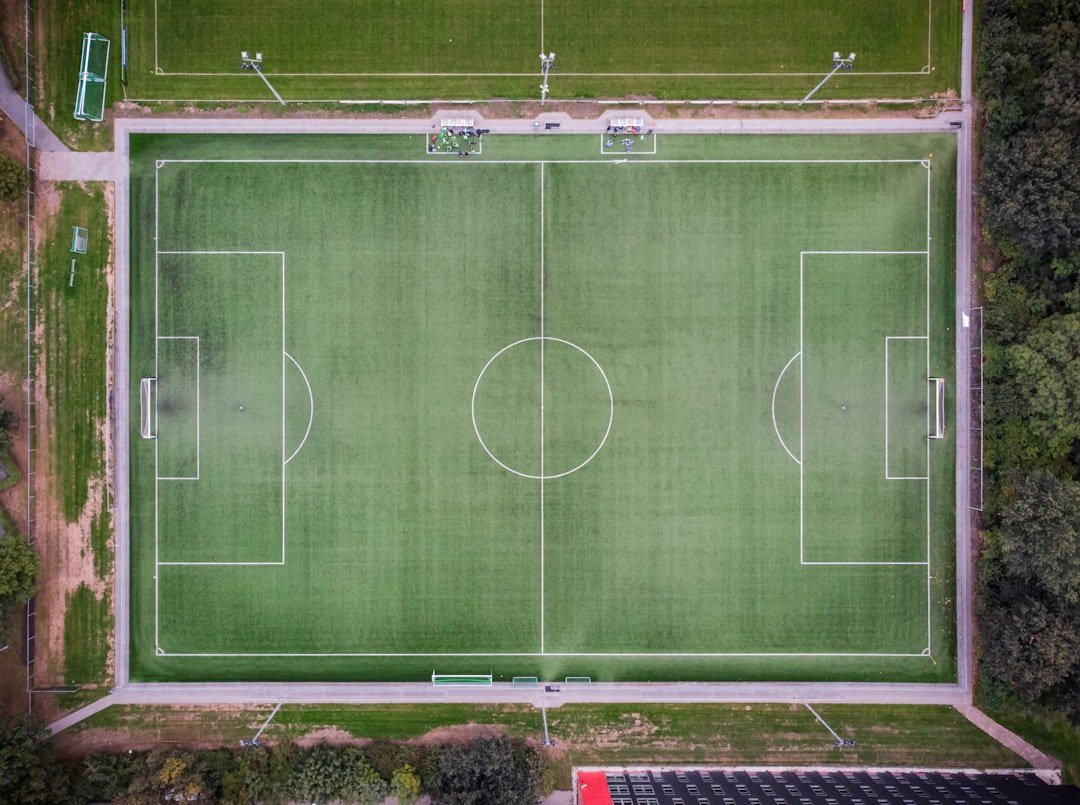
The 2026 World Cup's draw format is 12 groups of 4 teams each. This arrangement differs from the previously discussed plan of 16 groups of 3 teams each, the latter rejected because the final round could risk collusion matches. The benefit of 4 teams per group is that each team plays a full 3 matches, and the tradition of the final round's two matches kicking off simultaneously is preserved.
The 12 groups are labeled A through L, seeded teams are determined by draw and grouped into pots by FIFA ranking, with the hosts — the United States, Canada, and Mexico — placed in the first pot. The exact pot rules are per FIFA's official pre-tournament explanation, but the rough logic is that teams from the same pot aren't placed in the same group, while teams from the same region are kept from meeting too early.
3. Group Stage: 3 Matches, 3 Points for a Win, 1 for a Draw, 0 for a Loss
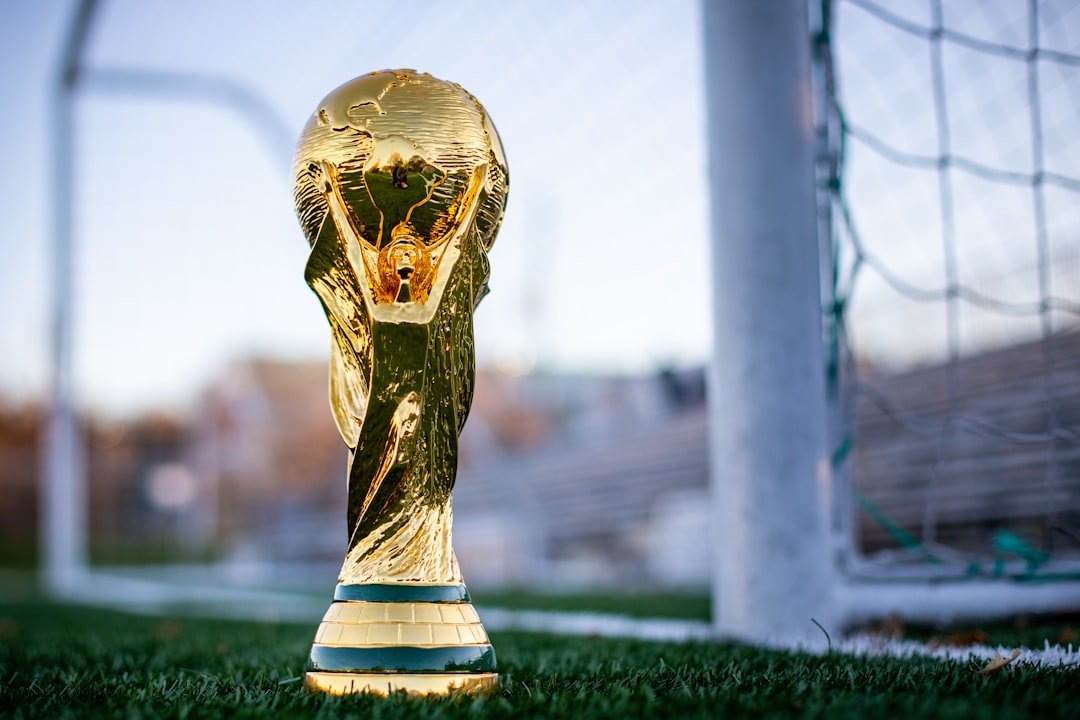
The group stage continues the classic three-point system. Each team plays 3 matches; the winner gets 3 points, a draw gives each team 1 point, and the loser gets 0. After 3 matches, points range from 0 to 9.
In theory, 9 points secures advancement, 6 points very likely advances, whether 3 points advances depends on the other groups, and 0 points is definitely eliminated. This logic hasn't changed in 2026. Three group-stage matches means very little room for error; after losing the opener you must get points in the next two. In 2026, with the number of weaker teams increasing, the opener may carry more weight, and failing to beat a weaker team really does mean dropping the ball.
4. The Top Two in Each Group Advance Directly, 24 Teams Total
The top two in each of the 12 groups advance directly to the next round, producing 24 advancement slots, the main force of the round of 32. The determination is by points ranking, with the next criterion applied when points are equal.
The benefit of the top two advancing directly is that the rule is simple, and it preserves the suspense of intra-group competition, with any group's final round potentially staging a decider. The 24 direct-advancement slots are half of the 48 teams, a ratio that exactly matches the 16-from-32 advancement rate of the 32-team era; the extra slots from expansion mainly give weaker teams that previously couldn't get in a chance to take the stage.
5. The 8 Best Third-Placed Teams Advance, Creating the Round of 32
The most-discussed change in this expansion is the introduction of the best-third-placed mechanism. The third-placed team in each of the 12 groups is ranked across groups by rule, and the top 8 of them can also advance, joining the round of 32. This practice of comparing third-placed teams across groups has been used for several editions at the Euros.
The ranking order for best third-placed teams is usually points first, then goal difference if points are equal, then goals scored if goal difference is equal, and possibly fair-play points beyond that. The exact details are per FIFA's pre-tournament published version. The benefit of this rule is that it preserves more suspense in the group stage; even with 3 points, as long as your goal difference and goals scored aren't bad, you still have a chance to advance, so teams won't give up until the last match.
6. The Logic of Generating Round-of-32 Matchups
The 24 group top-twos plus the 8 best third-placed teams together form the round-of-32 field. The core idea for generating matchups is a pre-arranged seeding table, determined by FIFA at the draw: which matchup position the winner of Group A enters, which position the winner of Group B enters, with the best third-placed teams filling designated positions by their advancement order.
The round of 32 produces 16 winners who advance to the round of 16, followed by the quarterfinals, the round of four, the semifinals, and the final. This extra round means the champion has to play 8 matches rather than 7, with higher demands on fitness and squad depth. The core principle of the seeding rules is that teams from the same group don't meet again before the round of 16, and teams from the same region avoid meeting too early as much as possible.
7. How Ranking Works in the Event of a Tie
The ranking order when group-stage points are equal is the part fans most easily confuse. The general determination order is: first, points; second, goal difference if points are equal; third, total goals scored if goal difference is equal; fourth, the head-to-head result between the two teams; fifth, possibly fair-play points (deductions converted from disciplinary records such as yellow and red cards); and finally, if it truly can't be decided, FIFA ranking or a draw.
This order has had minor adjustments over the editions, and the exact 2026 details are per FIFA's pre-tournament published version. Fair-play points have historically resulted in advancement being decided by yellow cards; the 2018 Russia World Cup group stage had such a case, which sparked controversy but was within the rules, and the final result was generally accepted.
8. The Impact of the Three-Nation North American Co-Hosting on Schedule Rhythm
The 2026 World Cup is the first ever co-hosted by three countries, with the United States, Canada, and Mexico all hosting matches. This brings new burdens for both teams and fans. The U.S., Canada, and Mexico span the North American continent, with a three-hour time difference between the east and west coasts and a north-south span from the Gulf of Mexico to Canada's Great Lakes region, so teams may have to travel across multiple time zones even during the group stage.
FIFA will try to have each team play its group stage within the same region, but the scale of 12 groups and 48 teams makes such an arrangement impossible to do perfectly. The impact on fans is that kickoff times are more spread out; an afternoon kickoff on the east coast is prime evening time for European fans but the small hours for Asian fans.
9. The Impact of the 48-Team Format on Underdogs and Dark Horses
Proponents of expansion argue that 48 teams give more associations' teams a chance to stand on the World Cup stage, with teams from Asia, Africa, and North and Central America entering the finals bringing broader national fan participation, and the added teams also meaning new broadcast markets and sponsorship resources.
Opponents worry that match quality will decline, since the gap between the weakest and strongest of the 48 teams is obvious, potentially producing lopsided blowouts. But looking back, the 32-team era also had lopsided scores like Brazil's 1–7 loss to Germany in 2014, while France's 2018 title showed that strong teams can still reliably reach the top under an expanded format. Whether the 48-team format really dilutes quality can only be objectively assessed after several editions have actually been played.
Frequently Asked Questions
Why did the 2026 World Cup expand to 48 teams?
FIFA passed the 48-team expansion plan in 2017, with the goal of giving more national associations' teams a chance to enter the World Cup finals and raising the tournament's global coverage and commercial value. Asia, Africa, North and Central America, and Oceania had long felt their allocations were too small, and after expansion these regions gained more slots. The added teams also mean new broadcast markets and sponsorship resources.
Is the rule of 12 group top-twos plus 8 best third-placed teams more complex?
It is indeed more complex. In the 32-team era, the top two in each of 8 groups advanced directly to the round of 16, a simple rule. In 2026 the cross-group comparison of best third-placed teams was introduced, so whether a group's third-placed team advances can only be determined after all 12 groups have finished, and after the final group round fans have to do another round of cross-group ranking comparison to confirm the list of qualifiers. The upside is that it preserves more suspense in the group stage.
What is the ranking order when teams in the same group are tied on points?
The general order is: group points first, then goal difference if points are equal, then total goals scored if goal difference is equal, then the head-to-head result between the two teams, then possibly fair-play points, and finally FIFA ranking or a draw if it still can't be decided. The exact details are per FIFA's pre-tournament published version, and in most cases the first two criteria decide the ranking.
How are the round-of-32 matchups generated?
Matchups are generated mainly through a pre-arranged seeding table. At the draw, FIFA determines which matchup position each group's first place, second place, and the various best third-placed teams enter, and after the group stage they correspond automatically by position, with no additional draw needed. The core constraint is that teams from the same group don't meet again before the round of 16, and teams from the same region avoid meeting too early as much as possible.
Will the 48-team format dilute the World Cup?
There will be short-term concern, because the gap between the added underdogs and the top teams is obvious, potentially producing lopsided blowouts. But the historical data shows the 32-team era also had extreme scores like Brazil's 1–7 to Germany in 2014; there's no absolute relationship between format scale and match quality. Whether it really dilutes quality can only be objectively assessed after several editions have actually been played.
📝 本文来自抖文 www.douwen.me ,转载请保留出处。
原文链接:https://www.douwen.me/archives/1189/
💬 评论 (6)
Sharing this with my team.
Practical tips not fluff.
Stats really back it up.
Step-by-step is gold.
Bookmarked for reference.
Thanks for the detailed comparison.