Guide to watching the 2026 World Cup host cities in North America, including transportation and accommodation in 16 cities in one article
The 2026 World Cup is co-hosted by the United States, Canada, and Mexico, spread across 16 host cities. From Los Angeles on the West Coast to New York on the East Coast, from Toronto in the north to Monterrey in the south, the tournament spans three time zones and six thousand kilometers. If you plan to watch the matches in person, you need to start planning transportation, accommodation, and visas at least six months ahead.
This article organizes match-viewing information for the 16 host cities by geographic region, covering stadium capacity, home teams, transportation, lodging areas, visa tips, and ticketing channels. It is based on the latest official information as of May 2026, by which point FIFA had already published the full schedule and group draw.
A Complete Overview of the Host Cities
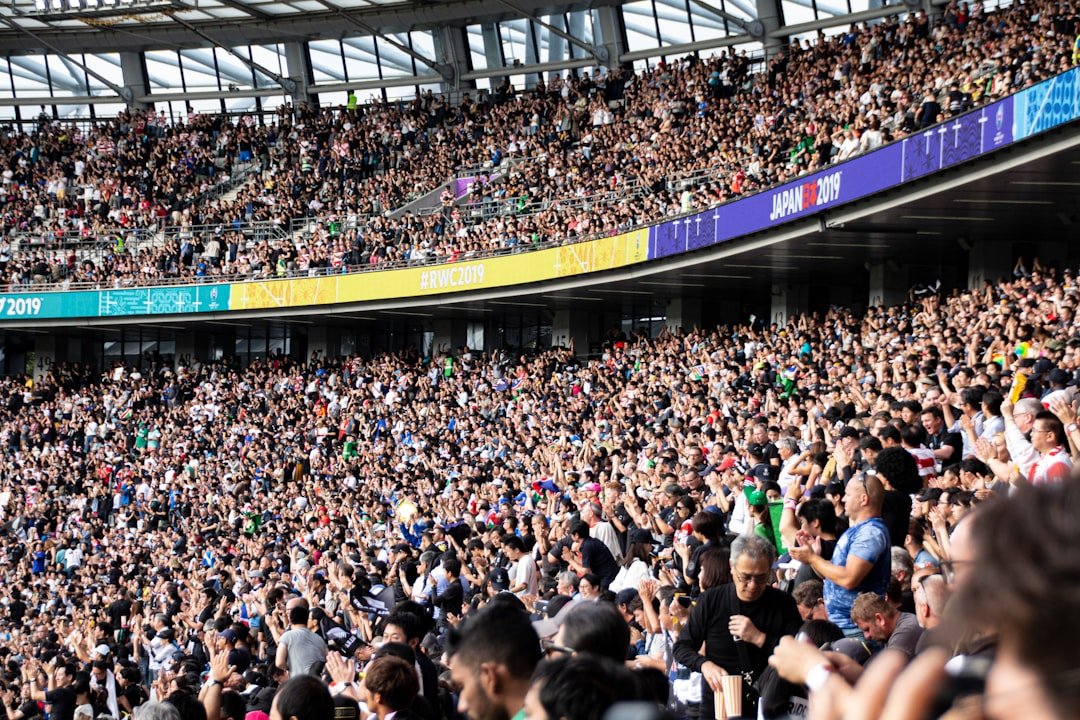
The 11 U.S. cities are Atlanta, Boston, Dallas, Houston, Kansas City, Los Angeles, Miami, New York/New Jersey, Philadelphia, the San Francisco Bay Area, and Seattle.
Canada has 2 cities, Toronto and Vancouver. Mexico has 3 cities: Mexico City, Guadalajara, and Monterrey. That makes 16 host cities and 16 stadiums in total. The largest is MetLife Stadium in New Jersey, with a capacity of 87,000, which will host the final. The smallest is BC Place in Vancouver, with a capacity of 54,500.
The 48 participating teams are split into 12 groups of 4. The group stage features 72 matches that determine the 32 teams advancing to the round of 32. The knockout rounds run for 32 matches up to the final. The whole tournament runs from the opening on June 11 to the final on July 19, totaling 39 days and 104 matches.
Watching in the Three U.S. Northeast Cities
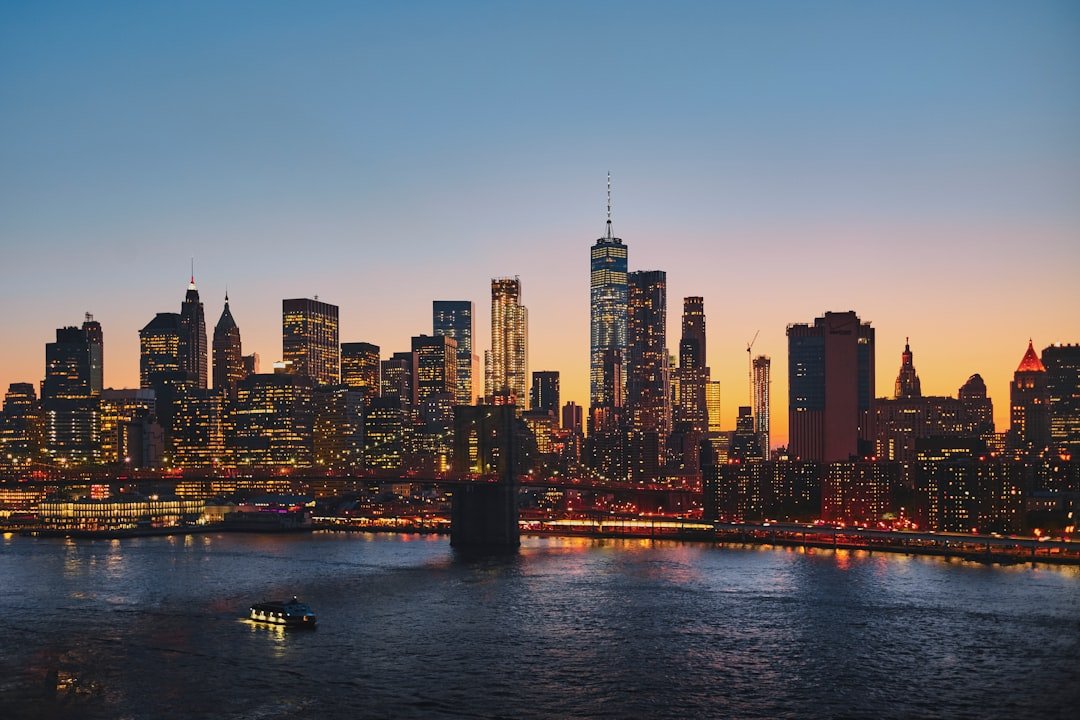
New York/New Jersey's MetLife Stadium is the venue for the final, with a capacity of 87,000 and a 30-minute drive from Manhattan. The most convenient option is to take NJ Transit from New York's Penn Station directly to the Meadowlands Sports Complex station, about 25 minutes. For lodging, Midtown Manhattan or Jersey City are recommended; during final week, hotels average $800 a night and up.
Boston's Gillette Stadium holds 65,000 and will host 7 group-stage matches plus 2 knockout matches. It is a 35-minute drive from downtown Boston, with no direct subway line, so renting a car or chartering a vehicle is recommended. You can stay in Boston Downtown or at local hotels in Foxborough. Boston's Logan Airport is the New England hub.
Philadelphia's Lincoln Financial Field holds 69,000 and will host 6 matches, including a round-of-16 game. The Broad Street Line subway runs directly to the stadium area. From New York, take Amtrak for 1 hour 15 minutes to Philadelphia's 30th Street Station, then transfer to the subway. There are plenty of lodging options in Center City.
Watching in the Three U.S. Southern Cities
Atlanta's Mercedes-Benz Stadium holds 75,000 and will host 8 matches, including a semifinal. Atlanta's MARTA subway runs directly to the GWCC/CNN Center station, a 5-minute walk to the venue. Atlanta's Hartsfield-Jackson Airport is one of the world's busiest, making international connections convenient.
Miami's Hard Rock Stadium holds 65,000 and will host 7 group-stage matches plus the third-place playoff. It is a 30-minute drive from downtown Miami with no subway, so renting a car or using Uber is recommended. You can stay in Miami Beach or downtown. The June-to-July climate is hot and rainy, so bring a light rain jacket.
Houston's NRG Stadium holds 72,000 and will host 6 matches, including a round-of-16 game. The Red Line light rail runs directly to the Stadium Park/Astrodome station, a 10-minute walk to the venue. You can stay in Downtown Houston or the Medical Center area. Texas in June is hot, regularly above 35 degrees Celsius, so guard against heat.
The Five U.S. Central and Western Cities
Dallas's AT&T Stadium holds 80,000 and will host 9 matches, including a semifinal. It is in the city of Arlington, a 30-minute drive from downtown Dallas. There is no direct public transit, so renting a car or booking a group bus is recommended. You can stay in Dallas Downtown or at local hotels in Arlington.
Kansas City's Arrowhead Stadium holds 76,000 and will host 6 matches. It is a 20-minute drive from downtown Kansas City to the Truman Sports Complex. Both Country Club Plaza and Downtown KC are convenient places to stay. Kansas City International Airport (MCI) is 30 kilometers from downtown.
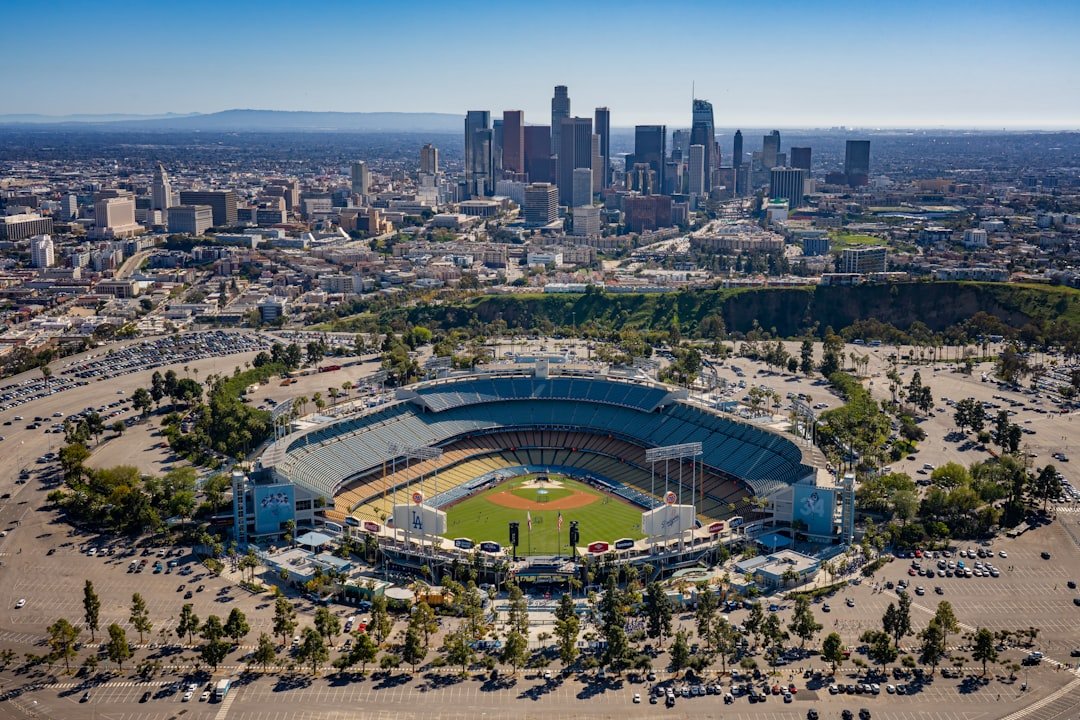
Los Angeles's SoFi Stadium holds 70,000 and is the main West Coast venue, hosting 8 matches, including a semifinal. It is in the city of Inglewood, a 15-minute drive from LAX. You can stay in Downtown LA, Hollywood, or Santa Monica. Renting a car is recommended since LA public transit is inconvenient.
The San Francisco Bay Area's Levi's Stadium holds 68,000 and will host 6 matches. It is in Santa Clara, a 50-minute drive from downtown San Francisco and closer to San Jose Airport. Staying in San Jose or Santa Clara puts you near the venue. The Bay Area is cool in June, so bring a jacket.
Seattle's Lumen Field holds 69,000 and will host 6 matches, including a round-of-16 game. It is in the SoDo district of downtown Seattle, directly served by the Sound Transit Link light rail. There are many lodging choices in Downtown Seattle. June brings Seattle its best weather, plenty of sun, making it one of the most comfortable cities for watching matches.
Watching in the Two Canadian Cities
Toronto's BMO Field, expanded to 45,000, will host 5 matches, including Canada's home games. From Toronto's Union Station, take GO Transit to the Exhibition station, 5 minutes away. There are plenty of lodging options in Toronto Downtown or Liberty Village. For the Canadian visa, Chinese travelers need an eTA plus a visa application.
Vancouver's BC Place holds 54,500 and will host 7 matches, including Canada's home games. It is in downtown Vancouver, a 5-minute walk from the SkyTrain Stadium-Chinatown station. You can stay in Downtown Vancouver or the Gastown district. Vancouver's climate is mild, with June and July being the best months.
As of 2024, Canada allows visa-free stays of up to 6 months for Chinese travelers holding a valid U.S. B1/B2 visa. Without a U.S. visa, you need a formal Canadian visa, which is best arranged 3 months in advance.
Watching in the Three Mexican Cities
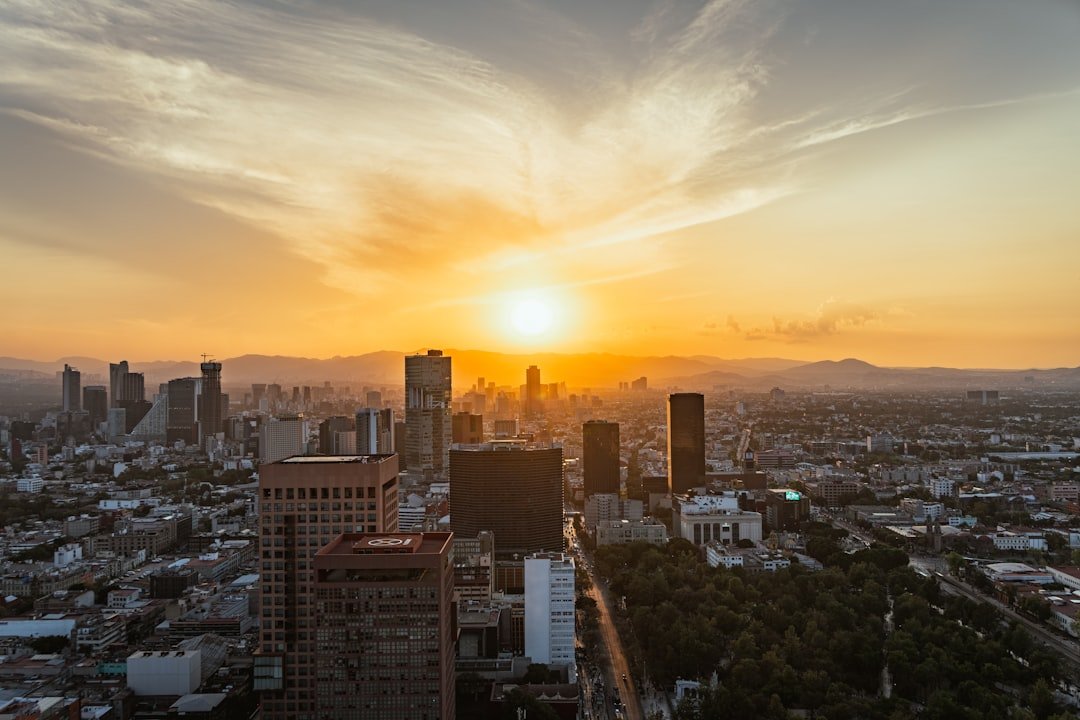
Mexico City's Estadio Azteca holds 87,000 and is a historic World Cup venue, having hosted the finals of both 1970 and 1986. In 2026, it will host 5 group-stage matches and a round-of-16 game. Take Metro Line 7 to the General Anaya station, a 10-minute walk to the venue. Note that the stadium sits at an altitude of 2,240 meters, so avoid strenuous activity when you first arrive.
Guadalajara's Estadio Akron holds 49,850 and will host 4 matches, including Mexico's home games. It is a 20-minute drive from downtown Guadalajara. Guadalajara is Mexico's second-largest city, with a pleasant climate averaging 25 degrees Celsius in June.
Monterrey's Estadio BBVA holds 51,348 and will host 4 matches. It is in the suburb of Guadalupe, a 30-minute drive from downtown. Monterrey is near the U.S.-Texas border and gets hot in June, above 35 degrees Celsius. For the Mexican visa, Chinese travelers need a Mexican visa, though those who already hold a U.S. visa can apply for a Mexican electronic visa.
Visa and Entry Tips
For the U.S. visa, Chinese travelers apply for a B1/B2 tourist/business visa. The interview wait time is currently 6 to 12 months, so anyone hoping to watch matches in person in early 2026 should have booked an appointment by mid-2025. Those who already hold a 10-year U.S. visa do not need to reapply but should confirm whether their EVUS needs updating.
For Canada, you can use the eTA electronic authorization if you already have a U.S. visa; otherwise a formal visa takes 4 to 8 weeks. For Mexico's electronic visa (FMM), holders of a U.S. or Canadian visa can apply online and receive it within 24 hours.
Cross-border travel among the three countries matters once you arrive. When planning your itinerary, it is best to concentrate on one country. Watching matches across borders means carrying your passport and visa and going through secondary airport screening. The U.S.-Mexico border has long lines in June, so cross during off-peak hours.
Ticketing Channels and Prices
FIFA's official ticketing site, fifa.com/tickets, is the only legitimate channel. The first lottery-based ticket round opened in February 2026, with regular sales beginning in May. Ordinary group-stage tickets start at $100, semifinals run $1,000 to $4,000, and the final runs $3,000 to $10,000.
Do not buy from scalpers or resale sites. FIFA has implemented NFC tickets bound to passports to prevent resale. Tickets flagged as resold will be denied entry right at the gate. If you cannot get an official ticket, consider visiting open training sessions to watch teams prepare, which is free and gets you up close to the players.
Hospitality packages are sold by FIFA's partner MATCH Hospitality and include VIP seating, dining, and gifts, starting at $3,000. If your budget allows, this is the most comfortable way to attend.
Money-Saving Tips for Lodging and Transportation
The best time to book flights is 6 months before kickoff, in December 2025. As kickoff approaches within a month, fares can rise 50% to 100%. Flying out of China, connecting through Toronto or Los Angeles airports is the most economical.
Book lodging in host cities early. In Mexico City, New York, and Los Angeles, hotels during final week average $800 to $1,500. An entire-place Airbnb or shared apartment is 30% to 50% cheaper than a hotel. If you are traveling between cities, consider renting an RV: at $200 a night, it can sleep a family of four.
For intercity travel, combine U.S. Amtrak trains, Greyhound buses, and car rentals. Domestic U.S. flight segments are pricier than expected. For North American intercity trips under 500 kilometers, driving beats flying.
Frequently Asked Questions
When do 2026 World Cup tickets go on sale?
FIFA's official ticketing began with a first lottery round in February 2026 and entered regular sales starting in May. Final and semifinal tickets opened earliest, with group-stage tickets released in batches. We recommend registering an account at fifa.com/tickets and applying the moment sales open, since popular matches—such as U.S. games or a marquee England-versus-Argentina clash—can sell out within hours.
What visa do Chinese fans need to watch the World Cup in person?
It depends on which matches you want to see. For the U.S. B1/B2 tourist visa, the interview wait time is currently 6 to 12 months. For Canada, holders of a U.S. visa can use the eTA; otherwise a formal visa takes 4 to 8 weeks. For Mexico, holders of a U.S. or Canadian visa can apply for an electronic visa that comes through in 24 hours; otherwise a traditional visa is required. We recommend arranging visas 6 to 12 months ahead rather than waiting until kickoff nears.
Which host city offers the best value for lodging?
Vancouver in Canada and Guadalajara in Mexico offer the best value. Vancouver Downtown hotels average $200 a night, 60% lower than New York, and an entire-place Airbnb in Guadalajara runs $80 a night. Among U.S. cities, Seattle and Kansas City are half the price of New York or LA. If you must stay in New York or Los Angeles during final week, book 6 months ahead or stay at a far-suburb hotel and commute in.
Can I watch matches in person without speaking English or Spanish?
Absolutely. Major U.S. cities offer Chinese-language services at airports, hotels, and stadiums, and Mexico City and Vancouver have large Chinese communities, so communicating in Chinese is no problem. Installing Google Translate's offline pack on your phone is enough for everyday conversation. Going with a group or following a themed tour from a Chinese travel agency is the most worry-free approach. The FIFA Fan Festival also has multilingual volunteers on site.
If I can't get match tickets, how else can I watch?
Every host city has an official Fan Festival with big-screen broadcasts, free entry, and a lively atmosphere. You can also visit open training sessions to watch teams prepare, which are usually open to fans free of charge 2 to 3 days before matches. Local bars also host watch parties, and enjoying a beer while watching can be even livelier than a hard stadium seat. The cheapest approach is to book one night of lodging in a host city, spend the day exploring around the stadium, and catch the match at a bar in the evening.
📝 本文来自抖文 www.douwen.me ,转载请保留出处。
原文链接:https://www.douwen.me/archives/1000/
💬 评论 (9)
Solid breakdown, very useful.
Practical tips not fluff.
Easy to follow.
Clear and to the point.
Stats really back it up.
Sharing this with my team.
Best summary I've read on this.
Thanks for the detailed comparison.
Bookmarked for reference.